Why Static Lines in Melbourne Are Essential for Worker Safety
Post by : Byron Sanchez
Category: Blog, Roof Access & Safety
Post by : Byron Sanchez
Category: Blog, Roof Access & Safety
Working at height remains one of the leading causes of serious workplace injuries across Australia, and Melbourne’s mix of high-rise construction, commercial rooftops, and industrial facilities means fall protection is a daily concern for thousands of workers. Among the most effective and widely used solutions are static lines in Melbourne, a fall arrest system that gives tradespeople the freedom to move safely across a roof or elevated structure while staying continuously protected.
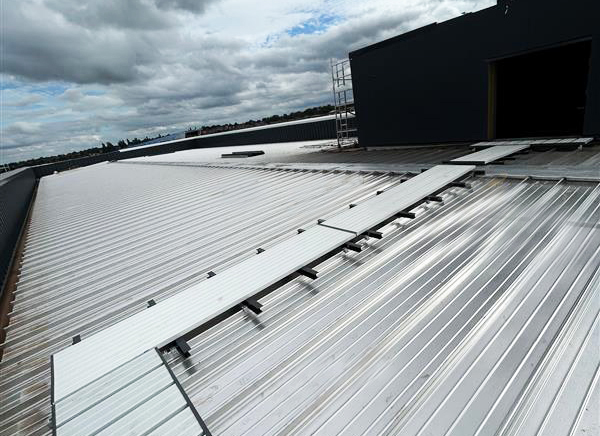
A static line, also known as a horizontal lifeline, is a cable or rope system fixed between two or more secure anchor points. Workers connect to the line using a harness and a sliding attachment device, allowing them to traverse the work area without disconnecting and reconnecting at each anchor point. This continuous protection is what sets static lines apart from single-point anchors, which require workers to stop and reattach repeatedly, increasing both time spent on the task and the risk of human error.
Reducing Fall-Related Injuries Falls from height are consistently among the most common causes of serious injury and fatality in Australian workplaces. A properly installed static line significantly reduces this risk by catching a worker immediately if they slip or lose balance, rather than allowing an uncontrolled fall.
Supporting Compliance with Australian Standards Static line systems installed in Melbourne need to meet AS/NZS 1891.2 and related height safety standards. Compliance isn’t optional, it’s a legal obligation for employers, and a well-designed static line system makes it easier to demonstrate due diligence during safety audits.
Adapting to Diverse Roof Types Melbourne properties range from heritage buildings with fragile roofing to modern commercial complexes with metal deck roofs. Static line systems can be engineered to suit each scenario, whether that means surface-mounted anchors, structural fixings into roof trusses, or specialised systems for fragile or low-slope roofs.
Improving Productivity Beyond safety, static lines allow workers to move more freely and efficiently across a worksite. Instead of constantly clipping and unclipping from fixed points, tradespeople can focus on the task at hand, which speeds up jobs like solar panel installation, HVAC maintenance, and roof repairs.
Not all static line systems are created equal. Factors like cable tension, anchor spacing, fall clearance distance, and the number of workers using the line simultaneously all affect the design. An engineer or certified height safety installer should assess the specific roof structure and usage patterns before specifying a system, ensuring it can handle the loads and conditions unique to that site.
Like any safety equipment, static lines require regular inspection to remain effective. Cables can stretch, corrode, or sustain damage from UV exposure and Melbourne’s variable weather. Scheduling annual inspections by a qualified technician, along with pre-use visual checks by workers, helps catch issues before they become safety hazards.
Static lines in Melbourne are more than a regulatory checkbox, they’re a practical, proven way to protect workers who spend their days at height. Whether you’re managing a commercial rooftop, an industrial site, or a residential solar installation, investing in a properly engineered static line system pays off through fewer injuries, smoother compliance audits, and a safer working environment for everyone involved.
Roof anchor points in Melbourne provide secure attachment for fall arrest systems, protecting workers during maintenance, inspections, and installations. Quality anchors suit various roof types, from colorbond to tiled surfaces. Professional installation and regular inspection ensure long-term reliability, keeping tradespeople safe across Melbourne’s diverse commercial and residential properties.
Comments are closed